
How to Handle Price Objections on Sleep Consulting Discovery Calls
A price objection is almost never purely about the price. Before jumping to payment plans or discounts, your job is to find out what is actually behind the hesitation. The three most common objections on a sleep consulting discovery call are "I can't afford it," "I need to talk to my partner," and "I need to think about it." Each one has a specific response that acknowledges the concern, uncovers the real issue, and guides the parent toward a decision without pressure or apology.
In this guide
- Objections are not rejections
- How to state your price confidently
- "I can't afford it"
- "I need to talk to my partner"
- "I need to think about it"
- "I tried sleep training before and it didn't work"
- Helping them make a decision
- Common mistakes sleep consultants make
- Frequently asked questions
You've had a great call. The parent is engaged, the baby's situation is clearly something you can help with, and you've explained your package. Then they say "it's quite a lot of money" or "I'll need to think about it" and suddenly you don't know what to say. So you either offer a discount immediately, or you freeze up and let the call end without a decision.
Neither of those responses serves the parent or your business. Objections are a normal, expected part of any sales conversation. They are not a sign the call is going badly. They're the moment where the real conversation starts.
Objections Are Not Rejections
An objection is a request for more information or reassurance. When a parent says "it's expensive," they're often saying "I want to be sure this is worth it." When they say "I need to think about it," they're usually saying "I'm interested but something is holding me back and I haven't identified it yet." Your job is not to overcome the objection. It's to understand it.
The key principle: don't jump to conclusions about what the objection means, and especially don't immediately offer a payment plan when someone mentions money. First, find out what's actually behind the hesitation. Sometimes the money concern is real. Sometimes it's a proxy for something else entirely. You can only find out by asking.
When I started doing sleep assessment calls (sometimes called 'discovery calls'), the moment anyone mentioned price my stomach dropped and I'd immediately offer something cheaper or add extra value before they'd even finished their sentence. I was responding to my own discomfort, not to theirs. The change that made the biggest difference was learning to pause after the objection and ask a question instead of making a statement. That pause is where you find out what's really going on.
How to State Your Price Confidently
Before getting to how to handle objections, the setup matters. How you present your price determines whether you get an objection at all and what kind.
State the price clearly, explain what's included, and then stop talking. Don't add qualifiers. Don't say "I know it's quite a lot but..." or "It might seem expensive, however..." Those phrases signal that you don't believe the price is fair, and if you don't believe it, the parent won't either.
"My standard package is $500. This includes two weeks of personalised support, a custom sleep plan built around your child's specific needs, daily check-ins during the support phase, and two consultation calls. Does that sound good to you?"
Then stop. Let the silence sit. The urge to fill it is the urge to undermine your own price.
"I Can't Afford It"
The first move is not to offer a payment plan. It's to ask one question.
"I completely understand, it's a meaningful investment. Can I ask: if money weren't a factor, would this feel like the right fit for your family?"
If they say yes, you've confirmed the service is right and the objection is genuinely financial. Now you can explore a payment plan. If they say they're not sure, there's something else going on. Dig into that before going anywhere near pricing.
If the objection really is financial, a reframe that often works well:
If a payment plan makes sense and you offer one, be specific: "I can split this into two payments of $250, one today and one in two weeks. Would that work for you?" Vague payment plan offers ("I can be flexible...") invite more negotiation. Specific ones resolve things.
"I Need to Talk to My Partner"
This is completely valid and worth taking seriously. Sleep affects the whole household, and getting a partner on board matters for the plan to succeed. Treat this with genuine respect, not as an obstacle to get around.
"That makes total sense. Sleep affects the whole family, and it's important you're both on board. It'll make the process so much more effective. What would be most helpful for your conversation with them? I'm happy to send you a quick summary of what's included so they have the same picture you do."
Then: "When do you think you'll have a chance to talk it through? Can we set a follow-up time now so we don't lose momentum, maybe a short call in two or three days once you've had the conversation?"
Securing a follow-up time while they're still on the call is the difference between a warm lead and a lead that goes cold. Don't let the call end without a specific next step.
"I Need to Think About It"
"I need to think about it" is usually not a request for more time. It's a sign that something is unclear, unresolved, or unaddressed. Your response should be to surface what that is.
"Of course. And I know that often it's not more time we need, it's more clarity. What's the biggest concern on your mind right now? Let's talk it through."
Option 2 (acknowledge and reconnect to their why):
"That's completely fine. Can I ask: you came to this call because something isn't working at home. What would it mean for your family if another month goes by and nothing changes?"
Option 3 (if they genuinely need time):
"Of course. Let's set a time to follow up in a couple of days so you can think it through properly. How does Thursday work for a quick check-in?"
"I Tried Sleep Training Before and It Didn't Work"
This objection is about trust, not price. The parent has been burned before and is protecting themselves from investing in something that won't deliver.
"I completely get that. And I'd actually be worried if you didn't feel that way. It means you're thoughtful about where you invest. Can I ask what you tried and what didn't work about it? Because that actually tells me a lot about what your child needs and helps me build a plan that won't make the same mistake."
The key reframe: just because one approach didn't work doesn't mean nothing will. It means that approach wasn't the right one for this child and this family. A personalised plan is different from a generic method.
Helping Them Make a Decision
Your role on a discovery call is not to convince. It's to guide. Convinced clients sometimes book and then have buyer's remorse. Guided clients understand what they're committing to and why, which makes them better clients throughout the process.
Two questions that help a parent move toward a decision:
- "What's the main thing holding you back right now?"
- "What would success look like for you at the end of our time together?"
The second question is particularly powerful because it reconnects the parent to the outcome they came for, and when they articulate what that looks like, they're also articulating why it matters. You don't have to sell them on it. They sell themselves.
Common Mistakes Sleep Consultants Make
Apologising for the price
"I know it's a lot" before anyone has objected. "It might seem expensive but..." Qualifiers like these do all the objection work for the parent before they've even raised one. State the price, then stop.
Immediately offering a payment plan
As soon as price comes up, jumping to payment plans signals that you don't fully believe in your price and are ready to discount it. Ask what's behind the hesitation first. Only offer a payment plan once you've confirmed the objection is genuinely financial.
Letting the call end without a next step
"Just let me know" is not a next step. Every call should end with either a booking or a specific, scheduled follow-up. A lead that goes away to "think about it" without a set follow-up time rarely comes back.
Using "but" after acknowledging the objection
"I understand it's expensive, but..." negates everything that came before "but." The parent hears: "you're wrong." Use "and" instead. "I completely understand, and here's what I find is true for most families..."
Frequently Asked Questions
Should I always offer a payment plan?
Not automatically. Payment plans are a useful tool when the objection is genuinely financial and the parent wants to proceed but can't pay in full upfront. They're not a standard discount to offer whenever someone hesitates. Decide in advance what payment terms you're comfortable offering and apply them when they're genuinely appropriate, not as a default response to any price concern.
What if they really just can't afford it?
Some families genuinely cannot afford your service right now, and that's okay. Not everyone is your client, and trying to shoehorn an unaffordable service into someone's life doesn't serve them. You can acknowledge this warmly, tell them about any lower-price resources you offer (a digital guide, a workshop), and leave the door open for when their situation changes.
How do I follow up after "I need to think about it"?
Follow up at the specific time you agreed on the call. Keep it warm and simple: "Hi [Name], I wanted to check in as promised. Have you had a chance to think it through? I'm here for any questions." One follow-up is professional. Two is determined. Three tips into pestering. If they don't respond after a second follow-up, let it go, and note it for reflection on what could have been done differently.
Key Takeaways
- Objections are requests for more information, not rejections. Treat them as the conversation starting, not ending.
- State your price confidently and stop talking. Qualifiers undermine the price before anyone has objected.
- Before offering a payment plan, ask: "If money weren't a factor, would this feel like the right fit?" The answer tells you whether the objection is financial or something else.
- "I need to think about it" usually means something is unclear or unresolved. Surface it with a question, not more time.
- Every call ends with a booking or a specific follow-up time. "Just let me know" is not a next step.
- Your role is to guide, not convince. When parents articulate what success looks like, they convince themselves.
Handling objections well is a skill that gets easier with every call. The first ten are the hardest. After that, you'll start hearing the same objections and have clear, confident responses ready without thinking twice.
Next Article: How to Run a Sleep Assessment Call
Disclaimer: The information shared in these articles is for educational and informational purposes only. It does not constitute legal, financial, or professional advice. Always consult with a qualified professional regarding your specific situation.

Rianna Hijlkema
Certified Pediatric Sleep Consultant, Certified Postpartum Doula, Former Teacher & School Director, Founder of Sleep Consultant Design & Sleep Consultant Business and the author of The Sleep Consultant Playbook (available on Amazon).
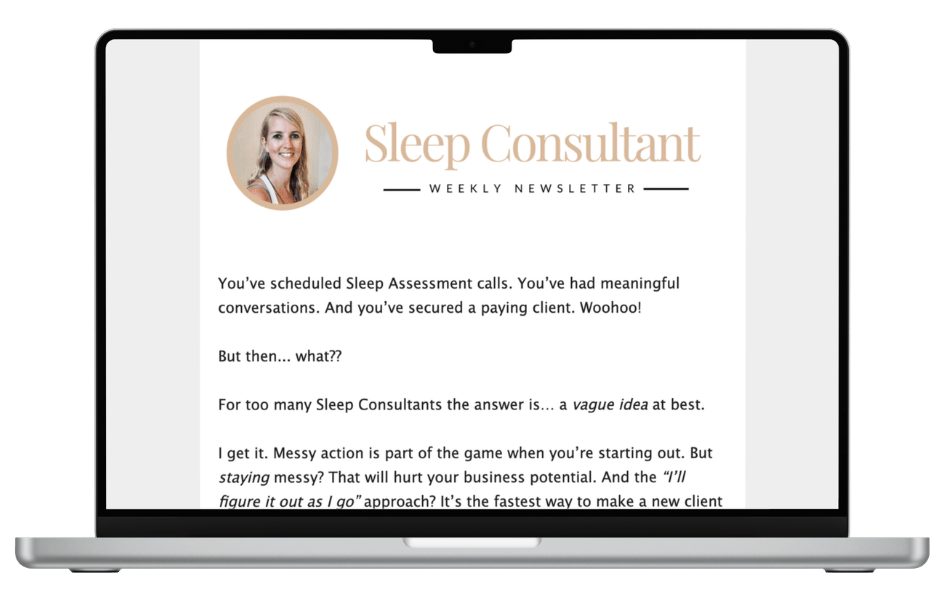
The Sleep Consultant Newsletter
Weekly tips, strategies and marketing ideas for sleep consultants written by a fellow sleep consultant. 1500+ active subscribers!
I’ll only send helpful emails, and you can unsubscribe anytime with one click.
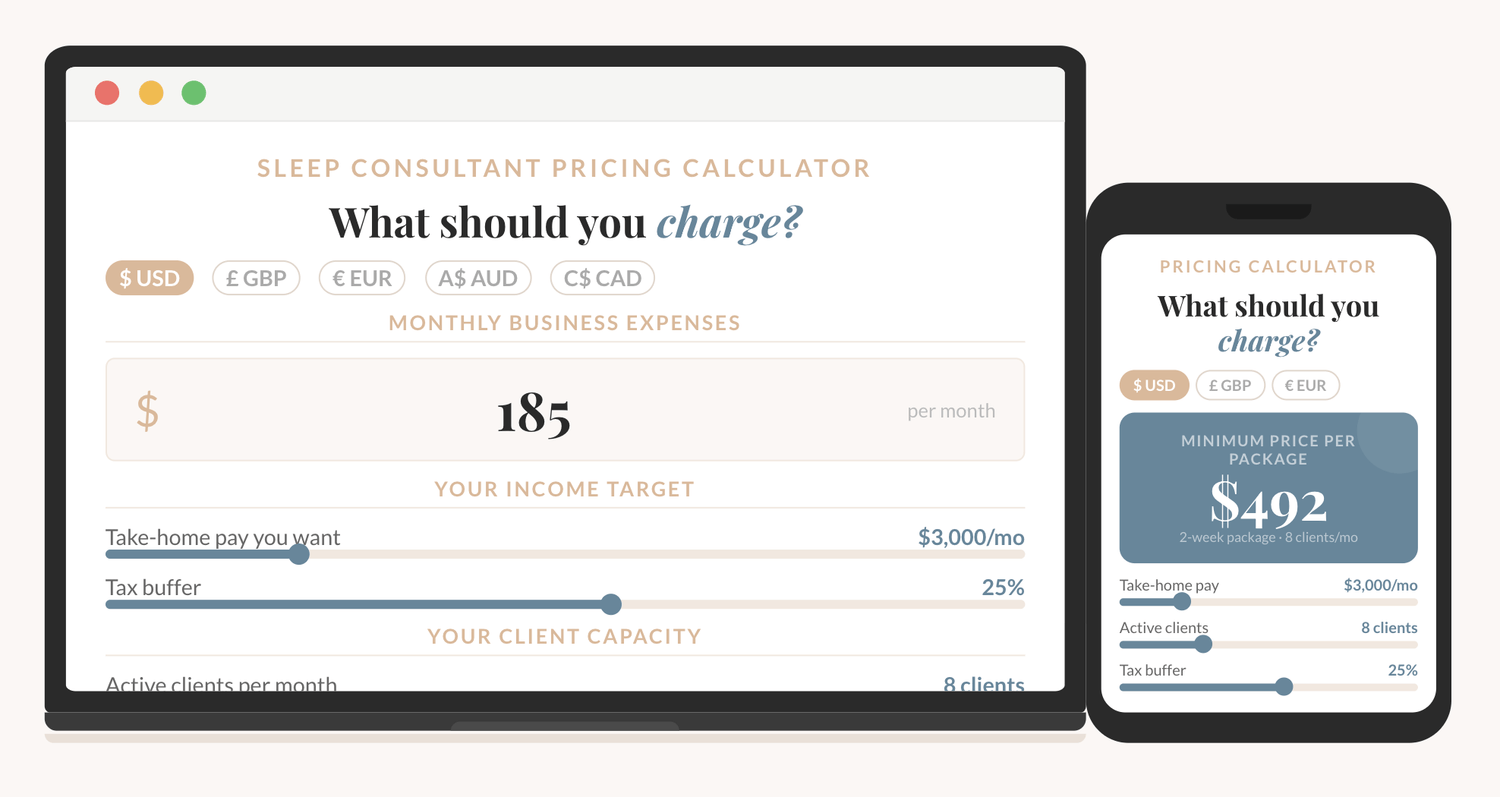
How to price your sleep consulting services?
The Sleep Consultant Pricing Calculator shows you exactly what to charge, based on your real expenses, your income goal, and how many clients you want to take on.
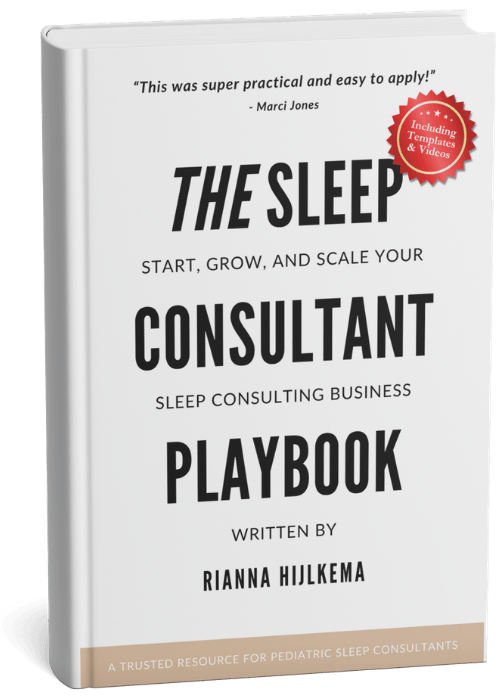
I'm thrilled to offer you an exclusive preview of what’s inside!
You can read the first 22 pages of The Sleep Consultant Playbook and get a taste of the value, insights, and actionable strategies that are waiting for you.
Other articles you might be interested in:
© 2021-2026 Sleep Consultant Business. All Rights Reserved.