
When Should Sleep Consultants Start Using Paid Ads?
Start paid ads only after you have worked with clients, refined your messaging through real conversations, and tested organic content that resonates with your audience. Ads amplify what is already working. They will not fix unclear messaging, a weak offer, or a website that doesn't convert. The foundation has to come first. Once it does, ads become a powerful accelerator.
In this guide
- Ads are an amplifier, not a shortcut
- What foundation you need before running ads
- Signs you are ready
- Signs you are not ready yet
- How to start small
- Common mistakes sleep consultants make with ads
- Frequently asked questions
At some point in the first year of building your sleep consulting business, you will feel the pull toward paid ads. Maybe you've been posting on Instagram for three months and it's moving slowly. Maybe you saw another sleep consultant mention that ads changed everything for them. Maybe you're just impatient, and that's completely understandable.
Before you spend anything, there's a question worth asking: do I have something that's already working, that I want to reach more people faster? Or am I hoping that ads will create something that isn't working yet?
The answer determines everything about whether ads are right for you right now.
Ads Are an Amplifier, Not a Shortcut
Paid ads don't create clients. They accelerate the path to clients for businesses that already have a working system. They take a message that's resonating with a warm audience and put it in front of a cold one at scale. They take a website that's converting organic visitors and send it more traffic. They take an offer that families are already saying yes to and make it visible to more families.
If the message isn't resonating, ads will show it to more people who also won't resonate. If the website isn't converting, ads will drive more traffic that also won't convert. If the offer isn't clearly communicated, ads will make that confusion more expensive. Ads amplify what's there. They don't fix what's missing.
I've worked with sleep consultants who started ads before they had a single testimonial and wondered why it wasn't working. The answer was always the same: a cold audience with no social proof, no refined message, and a website that gave them no reason to trust a stranger with their child's sleep. The budget ran out and the only thing they had to show for it was a lesson. Build the foundation first. When it's solid, your ads will work significantly better and your money will go much further.
What Foundation You Need Before Running Ads
Think of it as building the house before turning on the heating. Ads are the heating. They only work if the house is built.
Client experience and testimonials
You need to have worked with real clients and have real testimonials. Not placeholder text, not friends who say nice things. Parents who had a problem, worked with you, and got results, and are willing to say so. A cold audience has no reason to trust you without this. Three to five genuine testimonials is a meaningful minimum before ads become efficient.
Clear, tested messaging
You need to know what to say to parents, what problems you solve, what makes you the right choice, and how to articulate all of that in language that makes them stop and pay attention. This comes from real conversations: intake calls, client check-ins, messages from parents about why they reached out. You can't manufacture it in theory. You develop it through experience and then you use it in your ads.
Organic content that's resonating
If you're posting on Instagram or writing a blog and certain content consistently gets engagement, saves, shares, and DMs, that's your signal. Those are the topics, formats, and angles that resonate with your audience. Your most effective ads will be built from your most effective organic content. If nothing is resonating organically, you don't yet know what will work in an ad.
A website that converts
Ads drive traffic somewhere. If that somewhere is a website with no clear call to action, no testimonials, confusing packages, or a booking process that takes six steps, paid traffic will leave without converting, same as free traffic does. Fix the conversion issues before you pay to bring more people to the same broken experience.
A defined niche
Ads require you to define a target audience. "Parents" is not a target audience. "Parents of toddlers aged 12 to 36 months in [city] who are dealing with early morning waking" is. The more specifically you know who you're trying to reach, the more efficiently your ads will spend your budget. If your niche is still vague, ads will waste money testing audiences in all directions.
Signs You Are Ready
- You have worked with at least 5 to 10 paying clients
- You have 3 or more genuine testimonials you can use publicly
- You know exactly who your ideal client is and can describe them specifically
- You have organic content that consistently generates engagement or DMs
- Your website has a clear offer, visible testimonials, and a working booking process
- You can articulate in one or two sentences what problem you solve and for whom
- You have a specific goal for the ads: bookings, email sign-ups, or traffic
If you can tick most of those, you're in a position where ads will likely produce results rather than expensive lessons.
Signs You Are Not Ready Yet
- You haven't worked with any paying clients yet
- You have no testimonials or social proof
- Your website is incomplete or hasn't produced any organic enquiries
- You're not sure what niche or age group you're targeting
- Your organic content gets little to no engagement
- You're considering ads because warm outreach and organic strategies feel slow
- You're hoping ads will replace the work of building a client base from scratch
If several of these apply, the better investment right now is in the foundation. Warm outreach to your existing network. Getting your first clients. Collecting testimonials. Refining your messaging through real conversations. Building organic content until something lands. That work doesn't feel as scalable as "run ads and watch clients roll in". But it's what makes the ads work when you eventually do run them.
How to Start Small
When you are ready, start with a small test budget and treat the first campaign as an experiment, not a launch.
- Choose one goal. Traffic to your website, email sign-ups via a lead magnet, or direct booking enquiries. Trying to accomplish multiple things with one campaign makes it harder to know what's working. One goal, one campaign, one clear call to action.
- Choose one platform. Facebook and Instagram ads run from the same ads manager and reach parents effectively. Start there. Don't split your budget between platforms until you know what works on one.
- Start with a small daily budget. $5 to $10 a day is enough to gather real data on what's working. You don't need a big budget to learn. You need enough spend to see which ad creative, which audience, and which message is performing. Let it run for at least 7 to 14 days before drawing conclusions.
- Focus on a specific audience. Parents in your city or region, within a relevant age-of-child range, with relevant interest signals. The narrower and more relevant the audience, the lower your cost per result.
- Use your best-performing organic content as your ad creative. The post that got the most saves or DMs, the reel that sparked real conversations, the topic you get asked about in every intake call. That content already proved it resonates. Put budget behind it.
- Track and adjust. Look at what each result is costing you and whether those results are turning into actual clients. If a campaign is producing bookings at a cost that makes sense relative to your package price, scale it. If it isn't, adjust the creative, the audience, or the offer before spending more.
Common Mistakes Sleep Consultants Make with Ads
Starting before the foundation is in place
Spending on ads before having testimonials, clear messaging, or a converting website is the most expensive way to learn what you should have built first. Organic strategies feel slower, but they build the thing that ads need to work.
Giving up after one week
Ads need time to gather data, optimise, and reach the right people. A campaign running for five days on a $5 daily budget hasn't had enough time or impressions to tell you anything meaningful. Commit to at least two weeks before deciding whether something is working.
Targeting too broadly
"All parents aged 25 to 45 in [country]" is a massive audience where your budget will be diluted across people who have no current sleep problem. "Parents of children aged 0 to 3 in [city], interested in baby development and parenting" is an audience where your message is likely to land. Narrow and specific almost always outperforms broad and general in early-stage ad testing.
Running ads and not following up on enquiries
Ads generating leads only produces results if those leads are followed up with promptly. A parent who enquires from an ad and doesn't hear back within 24 hours has already moved on. If you're going to run ads, you need a system for responding to every enquiry fast. Automating a first response while you follow up personally is a practical approach.
Treating ads as the only strategy
Ads work alongside warm outreach, referrals, content marketing, and SEO. They're not a replacement for any of it. A business that relies entirely on paid ads for clients stops the moment the ad spend stops. Keep building the organic and referral channels even as you scale with ads.
Frequently Asked Questions
What platform should sleep consultants advertise on?
Facebook and Instagram (both managed through Meta Ads Manager) are the most effective for sleep consultants because parents of young children are active users and the targeting options for parenting-related interests are strong. Google Ads can work well for capturing parents actively searching for sleep help, but the setup is more complex and typically requires a larger budget to be effective. Start with Meta.
What's a realistic budget to start testing with?
$5 to $10 per day over two to four weeks is enough to gather meaningful data on whether a campaign is working. That's roughly $100 to $300 for a first test run. The goal is not to generate a flood of clients on the first campaign. The goal is to learn what message, audience, and creative works so you can scale with confidence.
Do I need to hire someone to run my ads?
Not to start. Meta's ads interface, while not simple, is learnable. Running your own first tests means you understand what your ads are doing, which makes any future work with an ads manager far more productive. Once you have a campaign that's working and you want to scale it, bringing in a specialist makes sense. Don't outsource something you don't understand yet.
Key Takeaways
- Paid ads amplify what's already working. They don't fix unclear messaging, missing testimonials, or a website that doesn't convert.
- Build the foundation first. Real clients, real testimonials, refined messaging, organic content that resonates, and a converting website. These come before ads.
- The signal that you're ready: you have something working organically that you want to reach more people with. That's the right reason to start ads.
- Start small. $5 to $10 a day, one goal, one platform, one specific audience. Treat it as a learning experiment, not a launch.
- Use your best organic content as your first ad creative. It already proved it resonates. Budget behind proven content first.
- Keep building organic channels alongside ads. A business entirely dependent on paid ads is fragile. Referrals, content, SEO, and warm outreach run in parallel, always.
When you're truly ready, ads can be one of the best investments in your business. Get the foundation solid first and that investment will go much further than it would have if you'd started six months earlier with nothing to amplify.
Disclaimer: The information shared in these articles is for educational and informational purposes only. It does not constitute legal, financial, or professional advice. Always consult with a qualified professional regarding your specific situation.
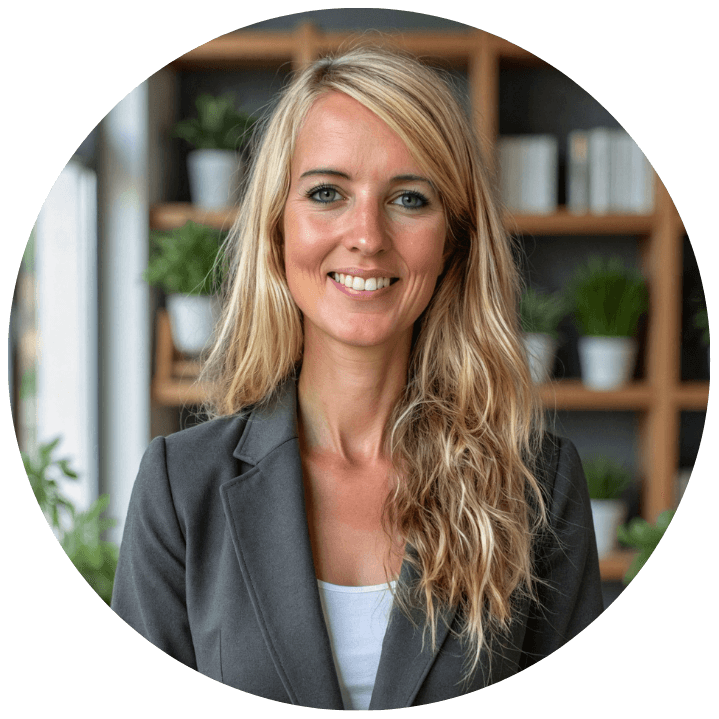
Rianna Hijlkema
Certified Pediatric Sleep Consultant, Certified Postpartum Doula, Former Teacher & School Director, Founder of Sleep Consultant Design & Sleep Consultant Business and the author of The Sleep Consultant Playbook (available on Amazon).
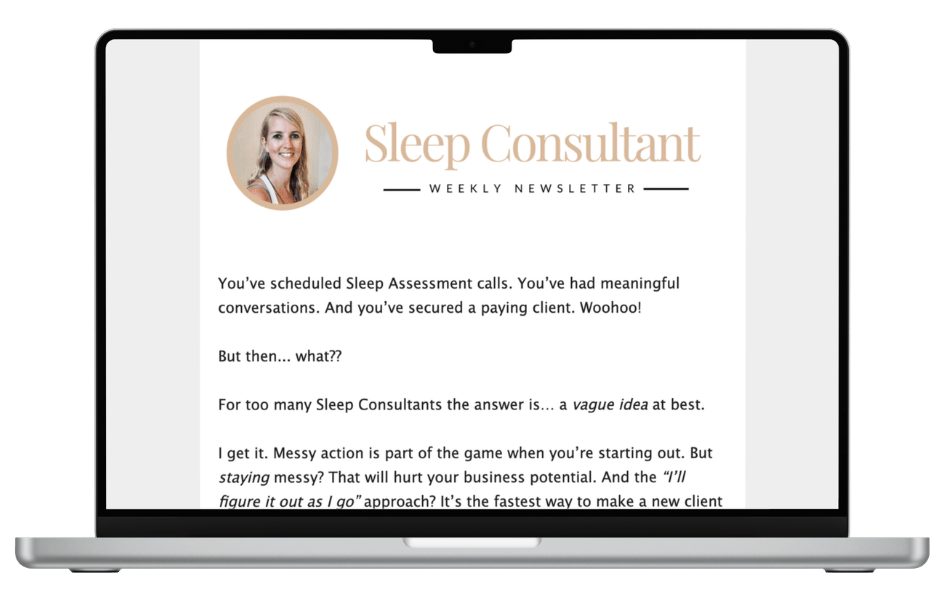
The Sleep Consultant Newsletter
Weekly tips, strategies and marketing ideas for sleep consultants written by a fellow sleep consultant. 1500+ active subscribers!
I’ll only send helpful emails, and you can unsubscribe anytime with one click.
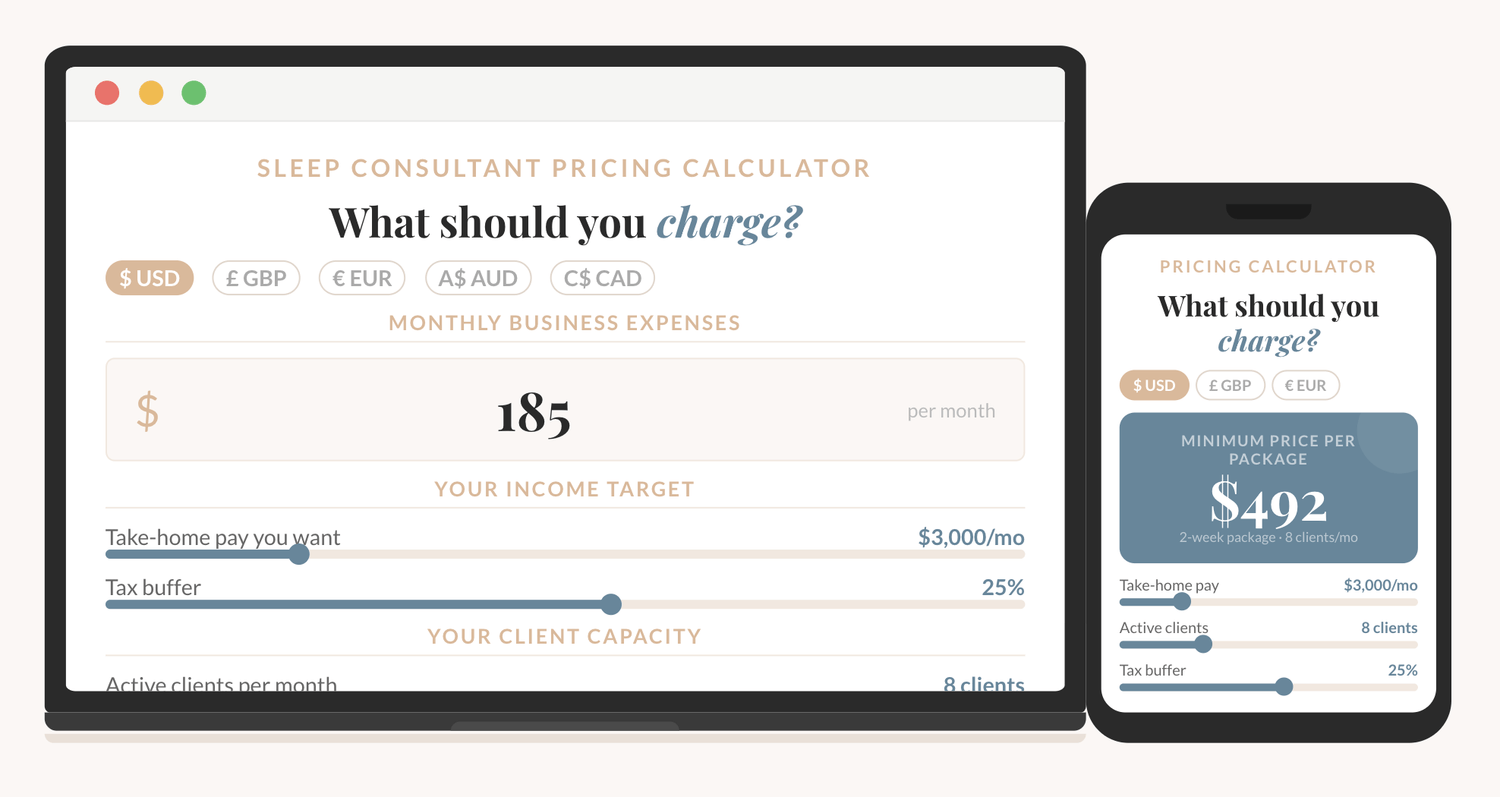
How to price your sleep consulting services?
The Sleep Consultant Pricing Calculator shows you exactly what to charge, based on your real expenses, your income goal, and how many clients you want to take on.
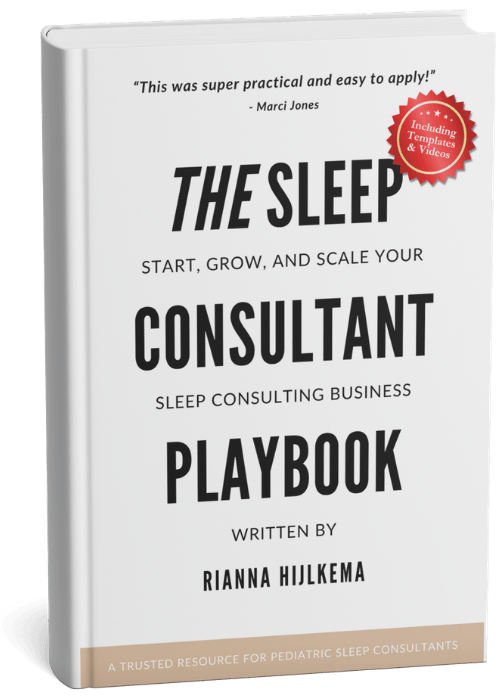
I'm thrilled to offer you an exclusive preview of what’s inside!
You can read the first 22 pages of The Sleep Consultant Playbook and get a taste of the value, insights, and actionable strategies that are waiting for you.
Other articles you might be interested in:
© 2021-2026 Sleep Consultant Business. All Rights Reserved.